How to Host a Classy Engagement Party at a Bar With Private Room
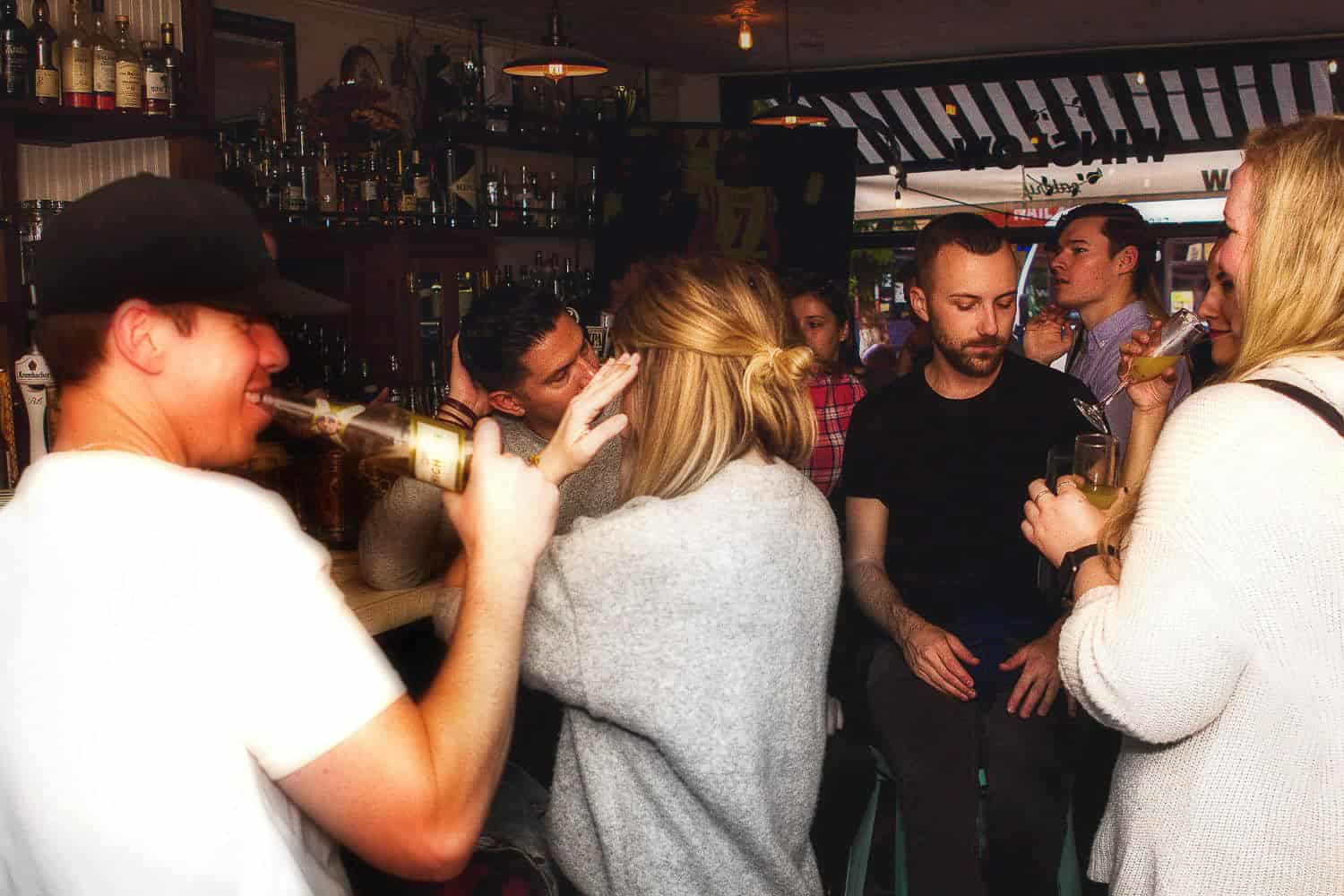
An engagement party should feel celebratory, intimate, and a little elevated, even when the mood is relaxed. That is why a bar with private room often makes more sense than a banquet hall, a backyard, or a formal restaurant buyout. You get atmosphere without building it from scratch, service without managing staff yourself, and privacy without the heaviness that can come with a fully formal event space.
The trick is that not every private room automatically feels classy. Some are perfect for a polished evening with champagne, soft lighting, and a smart guest mix. Others feel like corporate overflow space with a drinks package attached. The difference usually comes down to choices made early: the right room, the right guest count, the right menu, the right timing, and a host who understands that elegance is usually about restraint.
I have seen engagement parties succeed on surprisingly modest budgets, and I have seen expensive ones feel awkward because the basics were wrong. A room that was too large made 35 guests look sparse. A playlist that was too loud killed conversation. A host who tried to turn an engagement party into a wedding preview exhausted everyone by the second hour. A classy party does not need to impress people with volume or excess. It needs to make them feel well looked after.
Why a private room at a bar works so well
A bar with private room solves several hosting problems in one move. First, it gives you a defined environment. Guests know where to go, the party has a sense of occasion, and you are not fighting the unpredictability of a fully public space. Second, bars already know how to pace a social evening. Good bartenders understand flow, timing, and guest comfort in a way many one-off event spaces do not.
There is also a practical advantage. Engagement parties often sit in an awkward middle ground. They are more special than casual drinks, but they are usually less formal than the wedding itself. A private room inside a quality bar matches that middle ground beautifully. It feels social rather than ceremonial. People can mingle, move, toast, and settle into conversations naturally.
Privacy matters more than many couples expect. Family members meeting for the first time, college friends reconnecting, future in-laws feeling each other out, and older relatives wanting to hear every word all benefit from a semi-contained setting. A private room gives you enough separation to make the event feel intentional, but still lets you borrow the energy of the venue around you.
Start with the room, not the menu
When couples begin planning, they often ask about drink packages and canapés first. That is understandable, but the room itself deserves the first serious look. It shapes the mood more than anything else.
The best private rooms have a few qualities in common. They feel connected to the venue but not exposed. They have warm lighting. They allow conversation without forcing guests to shout. They have enough standing room for mingling and enough seating for older relatives or anyone who prefers a perch. If the room has its own bar or a dedicated service station, that is a significant advantage, especially once the party passes the first hour.
Size matters, and hosts often get it wrong by assuming more space equals more sophistication. In reality, a room should feel comfortably full. If you expect 40 guests, a room that suits 35 to 50 usually feels better than one designed for 80. A slightly lively space reads as festive. A half-empty room reads as under-attended, even when attendance is perfectly respectable.
Visit at the same time of day you plan to host. A bar can feel serene at 3 p.m. And noisy at 7:30 p.m. If possible, stand in the room while service is underway. Listen for noise bleed from the main bar. Check whether guests need to walk through crowded public areas to access restrooms. Notice whether lighting flatters people or makes everyone look washed out.
Guest count determines style
An engagement party is one of the few celebrations where a carefully edited guest list often produces a better event. This is not the wedding. It does not need to include every cousin, colleague, neighbor, and plus-one from the past decade. A private room naturally encourages a more focused gathering, and that is part of its charm.
I have found that many of the best engagement parties land somewhere between 25 and 60 guests. That is enough to create energy, variety, and movement, but still intimate enough for the couple to speak with everyone in one evening. Once you move much above that, the event starts to behave more like a wedding welcome party or large cocktail reception. That can still work, but it requires tighter logistics and a more substantial budget.
Think carefully about guest mix, not just headcount. If both families are meeting for the first time, make room for circulation and quieter https://maps.app.goo.gl/4GnHat7jvfaKZjtm8 corners. If the crowd skews young and social, you can lean further into cocktails and standing reception style. If grandparents, aunts, and older family friends are central to the gathering, prioritize seating, easier acoustics, and a food offering with some substance.
A classy event feels attentive to the people in the room. That is more important than trend-driven styling.
Timing is where many parties either glow or drag
The sweet spot for an engagement party at a bar is usually two and a half to four hours. Shorter than that can feel abrupt, especially if guests traveled. Much longer and the evening can lose shape unless it naturally transitions into a more casual after-party.
Early evening tends to work best. A start time around 6:00 or 6:30 p.m. Gives guests time to arrive polished but not rushed, and it allows the party to build toward a toast without becoming a late-night bar scene. If you are aiming for a daytime format, a late afternoon start around 4:00 p.m. Can be elegant, particularly with spritzes, sparkling wine, and lighter food.
One common mistake is beginning too late while still serving only light bites. If a party starts at 7:30 p.m., guests will expect enough food to function as dinner. If you only offer a few passed canapés and some olives, people will either leave early or quietly order food elsewhere afterward. Neither outcome feels gracious.
Food and drink should feel abundant, not excessive
Classy hosting Bar With Private Room is rarely about showing off. It is about making people feel cared for. At an engagement party, that care shows up most clearly in food and drink. Guests should never wonder whether there will be enough to eat, or whether ordering another drink feels awkward.
A private room package at a bar usually falls into one of three models: a minimum spend, a per-person package, or a room fee plus à la carte ordering. None is automatically best. Minimum spend often gives the most flexibility if your guest list includes a mix of drinkers and non-drinkers. Per-person packages can simplify budgeting, but they sometimes include more than you need. A room fee can make sense for a smaller, more curated party where quality matters more than volume.
Food should match the event’s structure. For a cocktail-style gathering, substantial passed bites and a few stationed items work well. Think miniature crab cakes, skewers, crisp arancini, sliders done neatly, or a grazing display that is regularly refreshed. For a more refined feel, fewer items executed well beat a long menu of forgettable options.
Drink service is where a bar with private room really earns its keep. Ask whether the venue can offer a limited custom cocktail list instead of full open-bar ordering. Two signature cocktails, one sparkling option, good wine, beer, and strong non-alcoholic choices are often enough. A shorter beverage menu speeds service and keeps the event cohesive.
This is one area where restraint reads as confidence. You do not need twelve spirits, three spritz variations, and a smoke-filled tableside cocktail ritual. You need drinks that arrive promptly, taste balanced, and suit the crowd.
The details worth deciding early
A private room can do a lot of work for you, but only if you answer a few practical questions before signing the contract.
- What exactly is private, the room only, the bar within the room, or the service team as well?
- What is included in the spend minimum, food, alcohol, tax, gratuity, and AV, or only selected items?
- What is the room’s true comfortable capacity for your style of event, not the venue’s maximum fire-code number?
- How flexible is the setup, especially for extra seating, a gift table, florals, and space for a toast?
- What is the cancellation and final guest count policy, and when do those numbers lock?
Those five questions prevent most unpleasant surprises. Venues are not being difficult when terms are specific. They are protecting operations. Hosts should do the same for their budget and guest experience.
Creating a polished atmosphere without overdecorating
One of the biggest advantages of hosting at a bar is that much of the ambiance already exists. Good lighting, attractive glassware, polished service, and a designed interior give you a head start. That means decor should support the setting, not compete with it.
A classy engagement party rarely needs more than flowers, candles where permitted, printed menus or bar cards, and perhaps a welcome sign if the room entrance is tucked away. Florals do not need to be towering centerpieces. In fact, low arrangements often work better in a bar setting because they preserve sightlines and conversation.
Color palette matters more than quantity. If the room has jewel tones, dark wood, or brass, soft neutrals or rich monochromatic florals can look beautiful. If the room is bright and modern, cleaner lines and fewer decorative elements usually feel more natural. Work with the venue, not against it. I once attended a party in a moody whiskey bar where the hosts brought in large pastel balloon installations. They were expensive, visible, and entirely at war with the room.
Music deserves careful attention. If the venue controls background music, confirm volume and style in advance. If you can curate your own playlist, aim for sophistication rather than novelty. Guests should feel the room has energy, not that they are competing with it. During the first hour, lower volume helps introductions. Later, once drinks and conversation are flowing, a subtle lift is enough.
Handling speeches, toasts, and family dynamics
Every engagement party carries a social layer that is easy to underestimate. This is often the first event where the couple’s circles overlap meaningfully. A classy host plans for that dynamic.
If there will be a toast, keep it brief and well-timed. Usually one welcome from the hosts or couple, and perhaps one additional toast from a parent or close friend, is plenty. Five minutes can feel warm and memorable. Fifteen can halt momentum. Make sure glasses are topped up shortly before the toast, and choose a spot in the room where everyone can at least see the speaker, even if acoustics are not perfect.
Family dynamics are best managed quietly. Seat or cluster known connectors near new introductions. If divorced parents or tense relatives are attending, think through arrival timing and physical spacing in advance. Hospitality is often invisible. Guests should feel things went smoothly without seeing the planning underneath.
For couples worried about social awkwardness, one simple tactic works wonders: assign subtle roles. Ask one extroverted friend to help greet arrivals. Ask a sibling to draw grandparents into the center of the room early, before they settle too far from the action. Ask the venue to pass food promptly during the first 45 minutes, when guests are still finding their footing.
Budgeting with clear priorities
A classy event can be expensive, but it does not have to be lavish. What matters is spending in the places guests actually experience. In most bar-based engagement parties, the budget should lean toward four things: the room itself, food quality, drink service, and enough staff attention to keep the evening seamless.
There is usually more value in upgrading wine, adding one more round of passed appetizers, or extending the room by 30 minutes than in ordering elaborate branded napkins or oversized decor installations. Guests remember whether the room felt good, whether they were hungry, whether drinks arrived quickly, and whether they had meaningful conversations. They do not usually remember custom stir sticks.
For rough context, many private room engagements in urban bars fall somewhere from a few thousand dollars to well into five figures, depending on city, guest count, menu, and exclusivity. The range is wide because the format is flexible. A 30-person champagne-and-canapé event on a weekday evening is a very different proposition from a 70-person Saturday night buyout with premium spirits and heavy food.
If you want to save money without sacrificing tone, consider hosting on a Thursday or Sunday, trimming the guest list before trimming hospitality, and focusing your menu on a smaller number of strong offerings.
Service style makes or breaks the experience
Many hosts focus so much on aesthetics that they miss the operational side. Yet service is what guests feel minute to minute. In a bar with private room, ask how many servers and bartenders will be assigned to your event. A beautiful room with understaffed service quickly loses polish.
Watch for pacing. On arrival, guests should be offered a drink quickly. Food should begin circulating before everyone becomes too hungry. Empty glasses and used cocktail napkins should disappear without fuss. If speeches are happening, service should pause just enough to avoid clatter, then resume smoothly.
A dedicated event contact at the venue is invaluable. You need one person who knows your schedule, your bar choices, your allergy notes, and the family member giving the toast. Without that point person, small issues multiply. With one, most problems are resolved before you notice them.
Dress code and invitations set the tone before anyone arrives
Classiness starts well before the first glass is poured. Invitations, whether digital or printed, should match the mood of the event. If you are hosting in a polished cocktail bar, say so in the wording and design. Guests take cues from language. “Join us for cocktails and light bites as we celebrate our engagement” creates a different expectation than “Come party with us.”
Dress guidance helps more than hosts sometimes realize. You do not need rigid labels, but a simple note like cocktail attire or dressy casual can prevent the room from feeling uneven. The goal is not to police style. It is to help guests feel appropriately placed.
If the venue is tucked upstairs, behind a host stand, or through an unmarked corridor, communicate that clearly. Private rooms inside bars are often charmingly hidden, but hidden can become frustrating if guests wander around the main bar asking strangers where the party is.
A sample flow that tends to work
If you like having a framework, this sequence is reliable without feeling rigid.
Guests arrive and are greeted with a drink in the first 15 minutes. Passed appetizers begin almost immediately. The middle portion of the evening is left mostly open for mingling, with steady service and enough space for conversations to unfold naturally. About 60 to 90 minutes in, a short welcome and toast creates a shared moment. After that, a slightly more substantial food offering appears, and the atmosphere can loosen into a fuller social rhythm before a graceful close.
That shape works because it respects how people gather. They need a little time to settle, a moment of collective attention, and then a return to relaxed interaction.
Mistakes that make a party feel cheap, even when it was not
Some of the least classy engagement parties I have seen were not low-budget at all. They simply made choices that signaled haste or overreach. Running out of food is an obvious problem, but so is offering only fussy, impractical bites that no one can eat standing up. Another common issue is trying to do too much in a short event: games, slideshows, speeches, a custom cocktail reveal, a cake cutting, and gift opening all packed into two and a half hours.
There is also the matter of visual clutter. Too many signs, too many themes, too many color stories, too many favors. Elegance tends to come from coherence. If the venue already has character, let it carry some weight.
And then there is noise. Nothing drains sophistication faster than a room where older relatives cannot hear, introductions require shouting, and speeches vanish into background bass from the main bar. If acoustics are poor, no amount of flowers will fix it.
What guests actually remember
People remember how an engagement party made them feel. They remember being welcomed rather than processed. They remember whether the couple seemed relaxed enough to enjoy themselves. They remember one excellent drink, one funny toast, one warm conversation with someone they had not met before.
A bar with private room offers a rare balance of intimacy and ease. It gives the event shape without stiffness. It lets the couple celebrate in a space that feels social, stylish, and grown up. When chosen carefully and hosted with a little discipline, it can deliver exactly what an engagement party should: joy, warmth, and just enough polish to mark the moment properly.
If you keep your attention on comfort, flow, and atmosphere, the classy part takes care of itself. That is the real secret. Not more décor, not a longer menu, not a louder party. Just a good room, thoughtful hospitality, and the confidence to stop before the event tries too hard.
The Winslow
Address: 243 E 14th St, New York, NY 10003
Phone number: +12127777717
FAQ About Bar With Private Room
Which bars in NYC offer private rooms?
Many bars in New York City offer private and semi-private rooms for parties and events, ranging from hidden basement speakeasies to upscale lounge spaces. Top options include The Back Room on the Lower East Side, Dear Irving Gramercy, Pebble Bar in Midtown, Mister Paradise in the East Village, and The Winslow in the East Village.
What is a private room in a pub called?
A small, private seating area or partitioned booth in a traditional pub is most commonly called a snug. Larger private rooms used for events, parties, or dining are typically referred to as private dining rooms, function rooms, or back rooms.
How much does a 2 hour open bar cost?
A 2-hour open bar generally costs between $15 and $45 per person, depending heavily on the quality of alcohol you choose. For a standard group of 100 guests, this translates to an overall cost of $1,500 to $4,500 before taxes, setups, and staff gratuities.